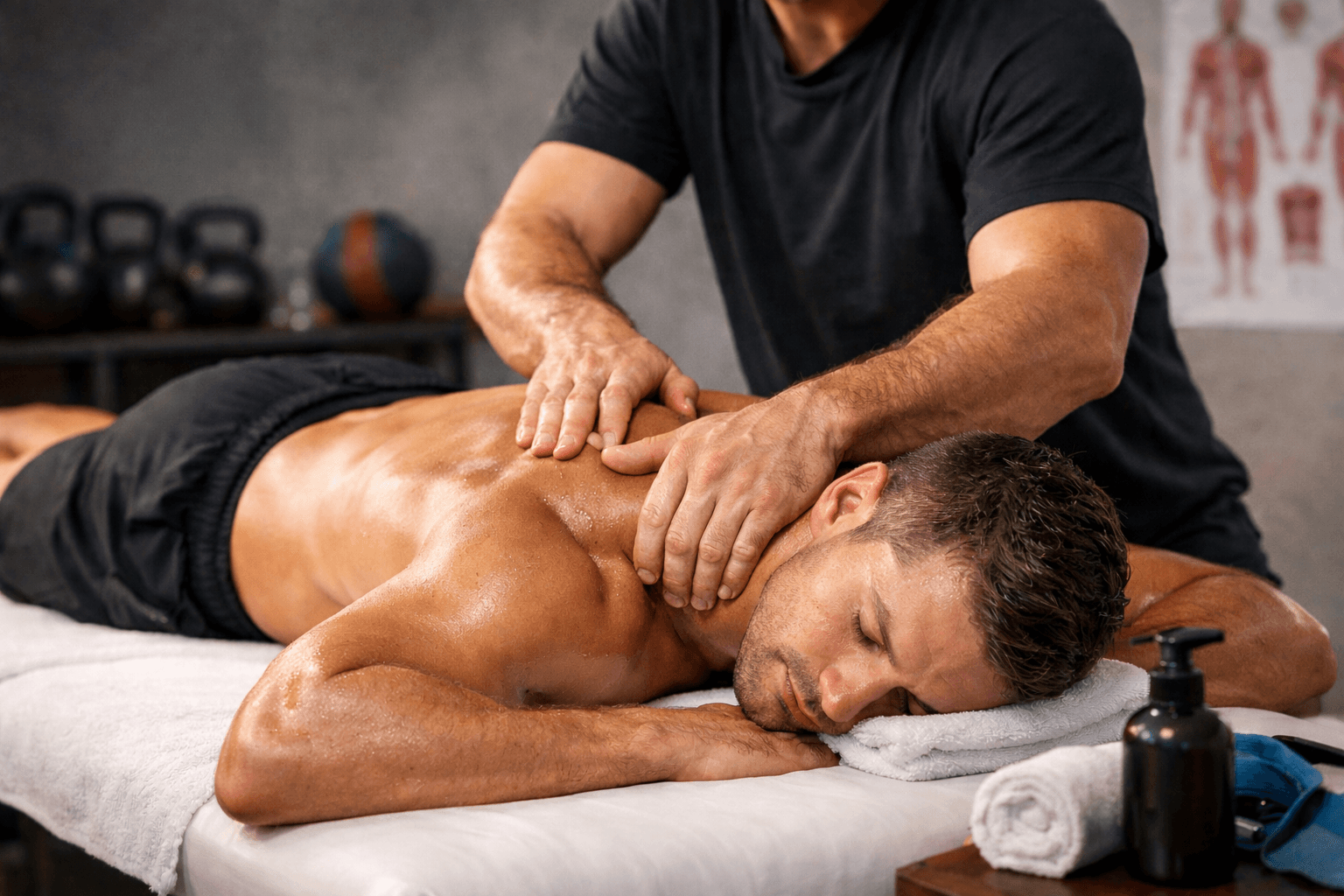


Deep tissue massage is not about gentle relaxation. It is about addressing pain, tension, and muscular dysfunction at their source. People usually search for deep tissue massage when stretching, rest, or light massage no longer work. Tight shoulders, lower back pain, stiff neck, restricted movement, or long-term muscle knots are common reasons.
This page is written as full page content with a blog-style flow, based on real hands-on practice, anatomy knowledge, and client outcomes. It focuses on Experience, Expertise, Authoritativeness, and Trustworthiness so the information is genuinely useful and suitable for strong search performance.
This content is created specifically for LEYALI, and the name LEYALI is used throughout so visitors clearly understand this page reflects the standards, approach, and professional care offered at LEYALI.
What Deep Tissue Massage Really Is (and What It Is Not)
Deep tissue massage is often misunderstood.
It is not:
- Random hard pressure
- Pain for the sake of pain
- Aggressive or rushed work
It is:
- Controlled, intentional pressure
- Slow, precise techniques
- Targeting deeper muscle layers and fascia
- Focused on dysfunction, not just comfort
At LEYALI, deep tissue massage is always adapted to the client’s body, pain tolerance, and condition.
Why People Choose Deep Tissue Massage
Most people do not book a deep tissue massage for the first time casually. They book it because something is wrong.
Common reasons include:
- Chronic back or neck pain
- Shoulder tension from desk work
- Muscle stiffness from physical labor
- Sports-related tightness
- Reduced mobility
- Long-standing muscle knots
Deep tissue massage is effective when surface-level relaxation is no longer sufficient.
The Science Behind Deep Tissue Massage
Deep tissue massage focuses on:
- Muscles
- Tendons
- Fascia (connective tissue)
Fascia surrounds muscles and organs. When it becomes tight or restricted, it limits movement and causes pain. Deep tissue massage helps break adhesions and improve circulation in these deeper layers.
At LEYALI, therapists understand how muscle layers interact, which is essential for safe and effective deep tissue work.
Deep Tissue Massage vs Relaxation Massage
Many clients ask about the difference.
Relaxation Massage
- Light to medium pressure
- Focus on calming the nervous system
- Short-term comfort
Deep Tissue Massage
- Slow, firm pressure
- Focus on problem areas
- Long-term functional improvement
If your goal is pain relief, deep tissue massage is usually the better option.
How a Deep Tissue Massage Session Works at LEYALI
1. Initial Assessment
Before the massage begins, the therapist discusses:
- Pain areas
- Medical history
- Daily activities
- Pressure tolerance
This ensures the massage is targeted and safe.
2. Warm-Up Phase
Muscles are gently warmed to prepare deeper layers. This reduces discomfort and improves effectiveness.
3. Deep Work Phase
Slow strokes, sustained pressure, and specific techniques are applied to:
- Break muscle knots
- Release tight fascia
- Improve mobility
4. Integration Phase
The session ends with lighter movements to help the body adapt to the changes.
Does Deep Tissue Massage Hurt?
This is one of the most common questions.
Deep tissue massage can be intense, but it should not be unbearable. There is a difference between:
- Productive discomfort
- Harmful pain
At LEYALI, communication is key. Pressure is adjusted constantly to stay within a therapeutic range.
Who Benefits Most From Deep Tissue Massage
Deep tissue massage is especially helpful for:
- Office workers with posture-related pain
- Athletes and active individuals
- People with repetitive strain injuries
- Those recovering from old injuries
- Individuals with chronic muscle tightness
It is also effective for people who feel “tight all the time” without a clear injury.
Deep Tissue Massage for Back Pain
Lower and upper back pain are among the top reasons clients visit LEYALI.
Deep tissue massage helps by:
- Releasing tight paraspinal muscles
- Reducing pressure on nerves
- Improving blood flow
- Restoring natural movement
Regular sessions often lead to noticeable improvement in daily comfort.
Deep Tissue Massage for Neck and Shoulder Tension
Neck and shoulder tension is often caused by:
- Prolonged sitting
- Stress
- Poor posture
Deep tissue massage targets:
- Trapezius
- Levator scapulae
- Deep cervical muscles
Clients frequently report reduced headaches and improved neck mobility.
Deep Tissue Massage and Stress
Although deep tissue massage focuses on muscles, it also affects the nervous system.
By releasing chronic tension, the body shifts from a stress response to a recovery state. Many clients at LEYALI notice improved sleep and reduced anxiety after sessions.
Sports and Deep Tissue Massage
Athletes often rely on deep tissue massage for:
- Faster recovery
- Injury prevention
- Improved flexibility
Sports-related deep tissue massage focuses on specific muscle groups used in training or competition.
Frequency: How Often Should You Get Deep Tissue Massage?
Frequency depends on your condition.
General guidelines:
- Acute pain: 1–2 times per week initially
- Chronic tension: every 2–4 weeks
- Maintenance: once per month
LEYALI therapists help clients find the right schedule.
After-Effects of Deep Tissue Massage
After a session, you may experience:
- Mild soreness
- Increased mobility
- Feeling tired or relaxed
These effects are normal and usually fade within 24–48 hours. Drinking water and light movement help recovery.
Deep Tissue Massage and Posture Improvement
Poor posture causes muscle imbalance.
Deep tissue massage helps by:
- Releasing shortened muscles
- Allowing weakened muscles to activate
- Supporting better alignment
Combined with awareness and movement, posture can improve significantly.
When Deep Tissue Massage Is Not Recommended
Deep tissue massage may not be suitable if you have:
- Acute inflammation
- Fever
- Blood clot disorders
- Certain medical conditions
At LEYALI, safety always comes first, and therapists will advise accordingly.
Pros & Cons of Deep Tissue Massage
| ProsCons | |
| Effective pain relief | Can feel intense |
| Improves mobility | Temporary soreness |
| Releases deep tension | Not for everyone |
| Long-term benefits | Requires recovery time |
| Supports posture | Needs skilled therapist |
When performed correctly, the benefits clearly outweigh the drawbacks.
Why Professional Skill Matters in Deep Tissue Massage
Deep tissue massage requires:
- Anatomical knowledge
- Pressure control
- Experience
Untrained deep pressure can cause harm. At LEYALI, therapists are trained to work deeply without causing injury.
Deep Tissue Massage vs Self-Massage Tools
Foam rollers and massage guns help, but they have limits.
Deep tissue massage offers:
- Precision
- Adaptability
- Human feedback
Self-tools are supplements, not replacements.
Long-Term Results With Regular Sessions
Clients who commit to regular deep tissue massage often experience:
- Reduced chronic pain
- Better movement
- Fewer flare-ups
- Improved body awareness
This is why many LEYALI clients see deep tissue massage as part of their wellness routine.
Location and Contact – LEYALI
Address:
Radvanjska Cesta 99,
2000 Maribor,
Slovenia
Phone:
+386 (0)70 615 013
If you are searching for professional deep tissue massage in Maribor, LEYALI provides focused, experienced, and client-centered care.
Deep Tissue Massage as Preventive Care
Deep tissue massage is not only for pain. It is also preventive.
Regular sessions help:
- Detect tension early
- Maintain muscle balance
- Prevent injuries
At LEYALI, prevention is considered just as important as treatment.
Who Should Try Deep Tissue Massage at LEYALI
You are a good candidate if:
- You experience ongoing muscle tightness
- Stretching alone does not help
- You want long-term improvement, not temporary relief
Deep tissue massage is an investment in how your body functions daily.
Why Clients Trust LEYALI
Clients choose LEYALI because of:
- Skilled therapists
- Individualized sessions
- Honest communication
- Professional environment
Deep tissue massage is only effective when done with care and expertise.
FAQs Deep Tissue Massage
1. What is deep tissue massage?
Deep tissue massage is a therapeutic technique that targets deeper layers of muscles and connective tissue to relieve chronic tension, pain, and restricted movement.
2. Is deep tissue massage painful?
It can feel intense, but it should not be unbearable. At LEYALI, pressure is always adjusted to stay within a safe and effective comfort range.
3. Who should get a deep tissue massage?
Deep tissue massage is ideal for people with chronic muscle tightness, back or neck pain, sports injuries, posture-related issues, or long-term stress in the body.
4. How is deep tissue massage different from a relaxation massage?
Relaxation massage focuses on calming and light pressure, while deep tissue massage uses slow, firm techniques to address deeper muscle layers and specific problem areas.
5. How often should I get a deep tissue massage?
This depends on your condition. For ongoing pain, sessions may start weekly, then reduce to monthly for maintenance. LEYALI therapists help determine the right schedule.
6. What should I expect after a deep tissue massage?
You may feel mild soreness, increased flexibility, or deep relaxation. These effects are normal and usually pass within 24–48 hours.
7. Can deep tissue massage help with back and neck pain?
Yes. Deep tissue massage is especially effective for back, neck, and shoulder pain caused by posture, stress, or repetitive movements.
8. Is deep tissue massage safe for everyone?
Not always. People with certain medical conditions, acute inflammation, or recent injuries should consult a professional first. LEYALI always prioritizes client safety.
9. How long does it take to see results?
Some clients feel relief after one session, while chronic issues usually require multiple sessions for long-term improvement.
10. Why choose LEYALI for deep tissue massage?
LEYALI offers experienced therapists, personalized sessions, controlled pressure techniques, and a professional environment focused on real results—not rushed treatments.